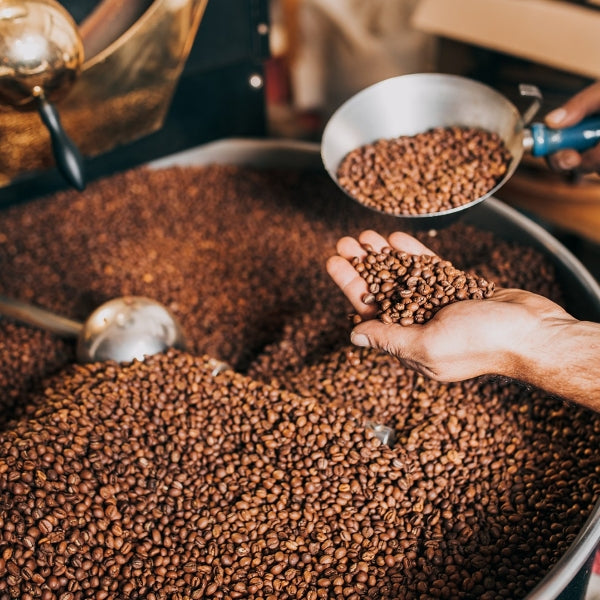
Las recientes tormentas eléctricas en las regiones cafetaleras de Brasil han traído más que solo lluvia: han provocado niveles sin precedentes de granizo y han planteado importantes interrogantes sobre la cosecha 2023/24. Mientras circulan dramáticas fotos que muestran lo que parece una "tormenta de nieve neoyorquina" en la zona cafetera, ¿cuál es el impacto real en la producción? Nuestro análisis desmiente la especulación para examinar los patrones reales de daños, las comparaciones de datos meteorológicos históricos y los posibles efectos a corto y largo plazo.
Artículo 2
El Niño has gone from an obscure scientific concept to a powerful force that captures global attention, especially in commodity markets where it can send prices swinging. But despite its reputation, its true impact on agriculture is far from simple. Rather than causing uniform damage, El Niño creates a patchwork of outcomes, with some regions and crops benefiting while others struggle.
As 2026 unfolds, forecasters are watching closely as conditions build toward what could become a rare “super” El Niño. If it develops, it could significantly reshape production for key crops like cocoa, coffee, and sugar, while even easing hurricane risks in some regions. Past patterns show surprising contrasts, with cocoa output often falling, coffee production in some countries rising, and sugar yields shifting depending on location and conditions.
At its core, El Niño is a complex climate chain reaction driven by shifting ocean temperatures and trade winds across the Pacific. These changes alter rainfall patterns around the world, bringing drought to some areas and heavy rains to others. The result is not a simple good or bad story, but a dynamic global ripple effect that continues to challenge expectations and keep markets on edge.