The concern has always been that global production growth across commodities would not keep pace with an increasing population and rising demand for food as more people gain access to goods through improved wealth and distribution channels. But what will happen when the world population reaches its peak? It has already started to level off and decline in several industrialized nations. The fears of the world running out of basic commodities and facing critical shortages due to climate change could shift. To some extent, global growth rates for soft commodities have slowed, although the causes are not yet linked to declining populations.
Sugar demand used to increase by 2.0% annually, but that has slowed to between 1.0% and 1.5%. Industrialized nations have seen demand remain flat for over a decade. At the same time, gains have come from the expansion of middle classes in countries where populations continue to grow, mainly in emerging markets, and from the widespread use of sugar in processed foods and beverages. Some of the slowdowns have come from a proliferation of other sweeteners, especially zero-calorie substitutes. However, corn and palm-based sweeteners have also reduced sugar demand. Governmental efforts to combat obesity and disease are also slowing usage. It is doubtful that there will come a point where global sugar demand cannot be met by production keeping pace, absent the years when poor weather takes a temporary toll on supply. Sugar is produced worldwide, and there is a dependence on imports from a few key countries. There will need to be an adjustment in this exportable output to reflect a global population decline. In the case of sugar, global production previously increased by about 2 to 2.5 percent per year, but looking ahead, growth is likely to slow to just 0.5 to 1.2 percent annually. The decline will be most pronounced in aging, high-income nations, where older populations are consuming less sugar due to health concerns such as obesity and diabetes, and the need to increase domestic output slows. Moreover, younger generations are generally more health-conscious, and government interventions, such as sugar taxes and product reformulation initiatives, are expected to further reduce sugar consumption. The increased use of diet drugs to curb appetite is reducing food intake, especially sweets.
The annual global growth rate of sugar, as well as the use of coffee, cocoa, and cotton, is expected to slow considerably over the next 30 years, marking a sharp contrast to the robust expansion of the past three decades. This projected deceleration stems largely from declining population growth, aging demographics, and changing consumption habits, particularly in regions that have historically driven demand increases—namely East Asia, Europe, and North America.
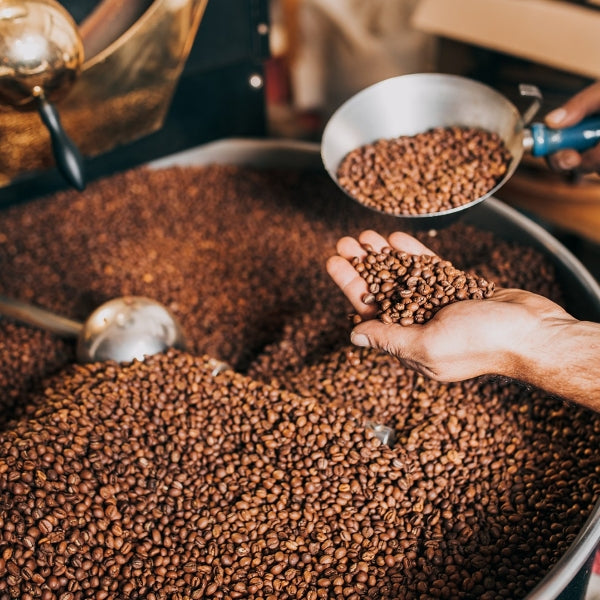
Coffee has experienced even faster consumption growth than sugar in recent decades, with production needing to increase by 2.5 to 3 percent annually, driven by the global expansion of café culture and the growing middle class in Asia. In the future, this pace is projected to taper to 1-2 percent annually as consumption levels off in mature markets, such as Europe, Japan, and the U.S. Instead, new demand will increasingly come from countries such as India, Nigeria, and Indonesia. However, this growth is not guaranteed; climate change and sustainability concerns may constrain production even as global demand shifts geographically. Younger generations are not drinking as much coffee and have a proliferation of energy drinks available to choose from. They prefer their coffee cold.
Cocoa demand growth has also slowed, despite chocolate becoming more readily available and distribution channels expanding. The average growth rate based on cocoa bean grind was 3.25%, but had declined to under 2.5% on average, even before prices escalated to all-time highs. I would attribute this to a shift in snacking habits away from traditional chocolate bars and the increased use of compound coatings by manufacturers in granola-based, fiber-rich, and protein-rich bars. In the coming decades, the pace of cocoa demand growth is expected to slow to between 0.8% and 1.5% annually. As with sugar, cocoa consumption tends to drop in aging societies with lower disposable incomes and changing dietary preferences. Any increase in demand is likely to come from rising incomes in Africa and Asia, although this growth will not be sufficient to offset declines elsewhere.
Cotton has also experienced consistent growth, at a rate of around 1.8 to 2 percent per year, primarily due to the rise of fast fashion and the expanding global population. Yet this trend, too, is losing momentum. Future growth may slow to just 0.5 to 1.2 percent annually as older consumers purchase fewer clothes and fast fashion faces growing scrutiny over its environmental impact. In addition, the increasing popularity of synthetic and recycled fibers threatens to erode cotton’s market share unless sustainability measures improve. Most of the remaining growth in cotton demand will be centered in Africa and certain parts of South Asia, where populations and economies continue to expand.
These slower growth trajectories will have profound implications for global trade. On the demand side, flat or declining consumption in key importers such as the EU, China, Japan, South Korea, and the United States will reduce overall import volumes. This will put downward pressure on prices and leave exporters with excess capacity, particularly those that rely heavily on these mature markets, such as Brazil for sugar and coffee, the Ivory Coast and Ghana for cocoa, and the U.S. and India for cotton. In response, trade routes are likely to shift toward markets with growing demand, including South Asia, Sub-Saharan Africa, and parts of Southeast Asia. This will necessitate new infrastructure investments, trade agreements, and region-specific marketing strategies to tap into these younger, more dynamic populations.
Population decline is not a distant concern but is already transforming economies and food systems worldwide. Several advanced economies are already experiencing a decline in birth rates and have fallen below the replacement level of 2.1 children per woman. Additionally, migration trends indicate that some nations are facing net emigration, exacerbating their demographic challenges. There are some well-documented cases of countries grappling with population decline and its impact on the labor market, tax revenues, and innovation. It can also create imbalances, with rural areas struggling more than urban centers due to limited job availability. The widening war in the Middle East could trigger a further slowdown in the population. Rising oil prices, coupled with inflation, have caused global economic conditions to sour. This causes couples to delay starting a family or limit the number of children they have. Additionally, the growing adoption of AI across industries is leading to wider-spread job losses than those from factory automation, which could further pressure family planning.
While many countries are already facing labor shortages, several developing regions are poised for population growth. Sub-Saharan Africa, South Asia (particularly India), and parts of Southeast Asia are expected to experience significant increases in working-age populations through 2050. These regions may emerge as future hubs of global consumption, labor, and innovation, provided they can effectively manage education, infrastructure, and political stability. For countries currently facing demographic decline, this creates an opportunity to pivot their economic models toward serving growing foreign